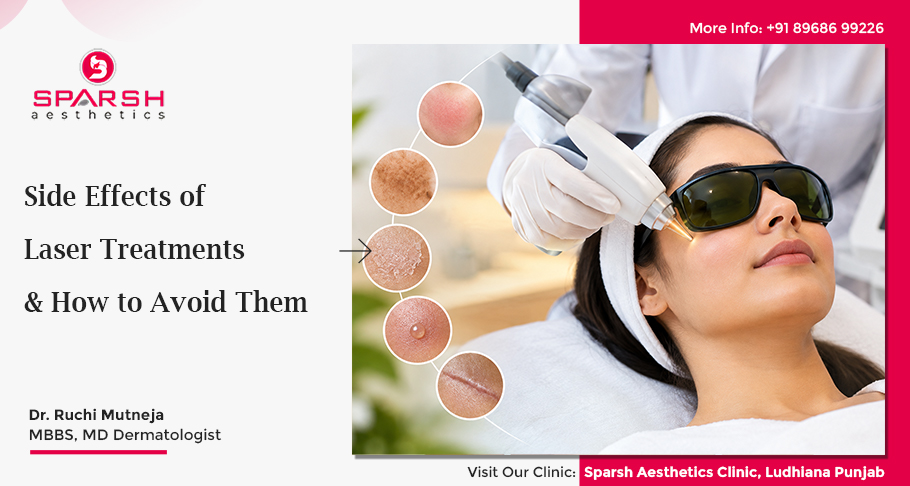
Laser treatments have become one of the most popular solutions for skin rejuvenation, laser hair removal, acne scar reduction, pigmentation correction, and anti-ageing procedures. They offer effective results with minimal downtime when performed by an experienced dermatologist.
While laser procedures are generally safe, patients should understand the possible side effects and the steps that can help reduce risks. Knowing what to expect can make your treatment journey smoother and more comfortable.
Are Laser Treatments Safe?
Modern laser technology is designed to target specific skin concerns while minimizing damage to surrounding tissues. Most side effects are mild and temporary. However, the safety and outcome of the treatment depend on factors such as skin type, the type of laser used, medical history, and proper aftercare. Common temporary reactions include redness, swelling, discomfort, and pigment changes, while more serious complications are uncommon when treatments are performed by trained professionals.
Common Side Effects of Laser Treatments
1. Redness and Swelling
Mild redness and swelling are the most common side effects after laser treatment. These symptoms usually appear immediately after the procedure and improve within a few hours to a few days.
This reaction occurs because the laser creates controlled heat within the skin to stimulate repair and collagen production. Redness and swelling are generally part of the normal healing process.
2. Skin Sensitivity
After treatment, the skin may feel warm, tender, or slightly irritated. Some patients describe the sensation as similar to a mild sunburn.
Using recommended moisturizers and following post-treatment instructions can help reduce discomfort.
3. Temporary Darkening or Lightening of the Skin
Pigmentation changes can occur after laser treatments, especially in individuals with darker skin tones or those who do not follow sun protection guidelines.
These changes are often temporary but may last longer in some cases. Proper laser selection and sun avoidance help reduce this risk.
4. Crusting or Peeling
Some laser procedures, particularly those used for skin resurfacing and scar treatment, may cause mild peeling or crust formation as the skin heals.
This is usually temporary and should not be picked or scratched.
5. Blistering
Blisters are uncommon but can occur if excessive heat affects the skin. This risk is higher when incorrect laser settings are used or aftercare instructions are ignored.
6. Infection
Although rare, infection can develop if the treated area is not kept clean during the healing period.
Patients with a history of cold sores should inform their dermatologist before treatment, as certain laser procedures may trigger reactivation.
7. Scarring
Scarring is one of the least common side effects but may occur in rare cases, especially if the skin is injured during healing or post-treatment care is neglected.
How to Avoid Laser Treatment Side Effects
Choose an Experienced Dermatologist
The most important factor in achieving safe results is selecting a qualified dermatologist with experience in laser procedures. Proper patient assessment, laser selection, and treatment settings significantly reduce risks.
Avoid Sun Exposure
Sun exposure before and after treatment can increase the risk of pigmentation problems and delayed healing.
Use a broad-spectrum sunscreen daily and avoid direct sunlight whenever possible.
Follow Pre-Treatment Instructions
Your dermatologist may advise you to:
- Stop certain skincare products
- Avoid tanning
- Inform them about medications
- Report any active skin infections
Following these instructions helps prepare the skin for treatment.
Follow Post-Treatment Care Carefully
After laser treatment:
- Use prescribed creams
- Avoid harsh scrubs and exfoliants
- Keep the skin moisturized
- Do not pick at peeling skin
- Avoid excessive heat and sweating for a few days
Proper aftercare supports faster healing and better results.
Attend Follow-Up Visits
Regular follow-up appointments allow your dermatologist to monitor healing and address any concerns early.
Who Is More Likely to Experience Side Effects?
Certain factors may increase the risk of complications:
- Darker skin tones
- Recent sun exposure or tanning
- Active skin infections
- History of keloid scarring
- Certain medications that affect skin healing
- Inadequate post-treatment care
When Should You Contact Your Dermatologist?
Seek medical advice if you experience:
- Severe pain
- Increasing redness
- Persistent swelling
- Blistering
- Signs of infection
- Unusual pigmentation changes
Early treatment can help prevent long-term complications.
Final Thoughts
Laser treatments can deliver excellent results for concerns such as unwanted hair, acne scars, pigmentation, fine lines, and skin rejuvenation. While mild redness, swelling, and sensitivity are common, serious side effects are uncommon when procedures are performed by an experienced dermatologist and proper aftercare is followed.
If you are considering Laser Hair Removal in Ludhiana, Laser Skin Treatment in Ludhiana, or Acne Scar Laser Treatment in Ludhiana, consult an experienced dermatologist to determine the most suitable treatment for your skin type.
Book a consultation at Sparsh Aesthetics, Ludhiana with Dr. Ruchi S. Mutneja to learn more about safe and effective laser treatments. Call +91 98786 46775 to schedule your appointment.